Start With Smart Planning
Before you touch a shovel or buy a single plant, step back. A sustainable landscape begins with knowing your environment not just what you want it to look like. Start with native and climate adapted plants. These species are built to survive with your region’s natural rain patterns and temperature swings, meaning less need for water, fertilizer, or fuss.
Next, run a check on your site’s core ingredients: sunlight, soil, and drainage. Observe how much direct sun different parts of your yard get, how the soil holds moisture, and where water tends to pool after rain. Do a simple percolation test or get a soil test kit. It’s worth the minor effort it tells you what will thrive vs. what will struggle or die.
Finally, design in zones. Put the thirsty stuff where you’ll actually water close to the house or the hose. Group low maintenance plants together in harder to reach areas. By matching plant needs to their placement, you’ll waste less, work less, and end up with a landscape that’s both tough and intentional.
Minimize Water Waste
Water smart landscapes aren’t just better for the planet they’re easier on your utility bills too. Start with drip irrigation systems or soaker hoses to deliver water directly to plant roots. They’re far more efficient than sprinklers, which often lose water to evaporation or runoff. Once in place, your garden drinks only what it needs no more, no less.
Next up: catch what falls for free. Rain barrels or cisterns can collect and store runoff from roofs for later use during dry spells. It’s a low effort, high reward upgrade with an immediate impact on water use.
When it comes to planting, don’t mix water guzzlers with desert dwellers. Grouping plants with similar water needs also called hydrozoning keeps maintenance simple and prevents over or under watering.
Finally, don’t sleep on mulch. A thick layer of organic mulch acts like a moisture blanket, slowing evaporation and keeping weeds from stealing nutrients. Want to know what kind of mulch actually performs best? Take a minute to explore the best mulching methods for both sustainability and performance.
Small tweaks, big results that’s how a smart garden works.
Choose Earth Friendly Materials
Your landscape isn’t just about what it looks like it’s also about what it’s made of. The wrong materials can leach chemicals, waste water, and send perfectly good resources to the landfill. Luckily, better options are on the table.
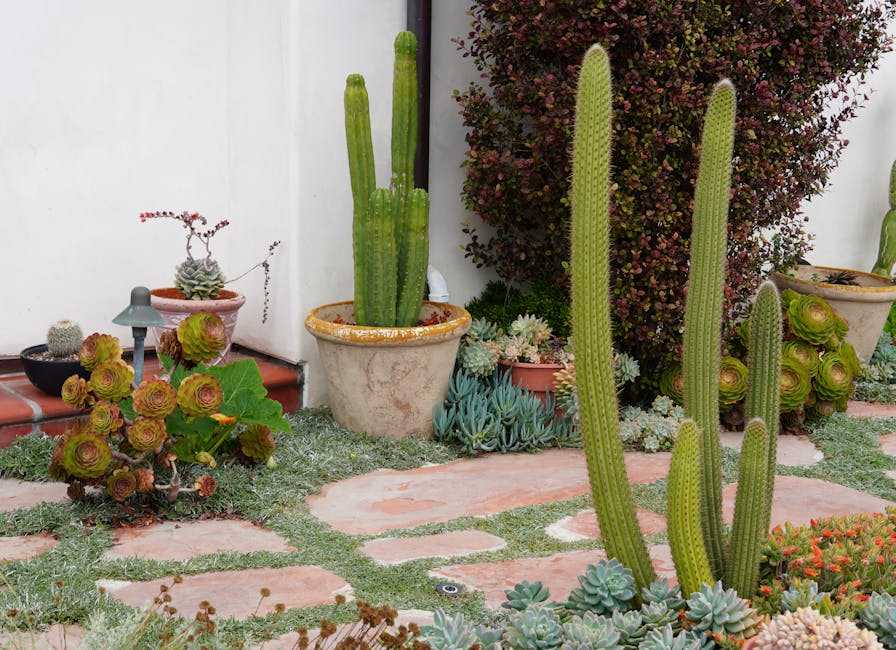
Permeable pavers, gravel paths, and spaced stepping stones let rainwater soak into the ground instead of rushing off into storm drains. This not only reduces runoff, but helps recharge the groundwater where you live local water doing local work. More practical, less mess.
When it comes to hardscape elements like patios, edging, or raised beds, skip the brand new stuff. Salvaged stone, reclaimed wood, and scrap metal can look even better than store bought, often aging into warm patinas and organic textures that give your landscape character you can’t fake.
Finally, leave the heavy duty synthetics on the shelf. Harsh fertilizers and chemical treatments may offer a short term boost, but they weaken soil over time and mess with local ecosystems. Instead, lean into natural amendments and compost to feed your soil and your plants the right way.
Reduce Lawn Space
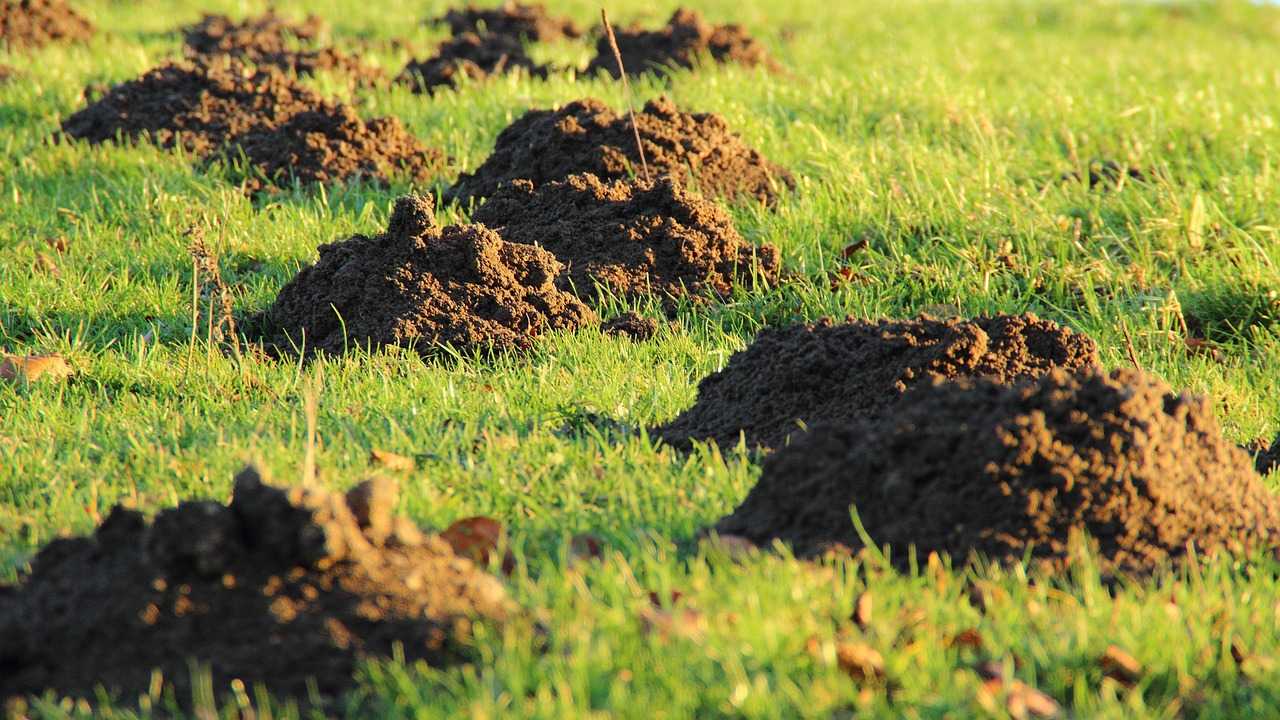
Traditional lawns might look clean on the surface, but they’re thirsty, high maintenance, and not exactly eco friendly. The smarter move? Replace large patches of grass with low growing ground covers like creeping thyme, clover, or native sedges. These alternatives require less water, less mowing, and support local biodiversity.
Take it a step further and turn unused space into edible landscaping. Tuck herbs like rosemary and oregano between pathways. Plant a few fruit trees along the fence line. Build out raised vegetable beds where the sun hits hardest. You’re not just cutting maintenance you’re growing lunch.
Finally, think about your outdoor space as a working system, not just something to look at. Install a sitting area next to a rain garden. Build a compost zone with easy access from the kitchen. Design a backyard that serves multiple roles leisure, productivity, and environmental impact without wasting a square foot. Function meets sustainability when every corner earns its keep.
Compost and Mulch Like a Pro
If you’re still tossing out kitchen scraps or bagging up fall leaves, you’re basically throwing away free gold. Composting is simple: take your fruit peels, coffee grounds, grass clippings, and dried leaves, and let them break down into a crumbly, nutrient rich material your soil will love. The key is balance mix greens (like food scraps) with browns (like dried leaves or paper) and turn your pile regularly. You don’t need a fancy bin, just a dedicated spot and some patience.
Once your compost is ready, it’s time to mulch. A few inches of organic mulch like shredded bark, straw, or even chopped leaves goes a long way. It keeps moisture in, protects soil organisms, and stops erosion in its tracks. Plus, it cuts down on weeding, which means more time enjoying your yard and less time fighting it.
Before you pick your mulch, take a moment to explore the best mulching methods. Different materials and techniques fit different goals whether it’s boosting fertility, blocking weeds, or just cleaning up the look of a garden bed.
Build Habitats, Not Just Yards
If you’re designing a sustainable landscape, it’s time to think beyond curb appeal. Your yard can double as a living, breathing ecosystem and that starts with supporting the species that actually run it.
Start by planting for the pollinators. Species like milkweed, lavender, coneflowers, and other native wildflowers don’t just look good they’re essential food sources for bees, butterflies, and hummingbirds. Stick to plants that are native to your region whenever possible. They require less water, less intervention, and feed the local wildlife naturally.
Then give these critters a place to stick around. Birdhouses, bee hotels, small brush piles, or even a shallow dish of clean water can turn your space into a seasonal home for useful insects and birds. Every bit helps, especially in urban environments where natural shelter is scarce.
And skip the pesticides. Seriously. Chemical treatments kill more than just pests they disrupt the food web you’re trying to support. Going organic isn’t just a nice to have; it’s the backbone of any habitat minded design. A living yard thrives when you stop trying to control it and start working with it.
Keep it Low Maintenance and Long Term
A truly sustainable landscape doesn’t need babysitting. Start with slow growing, climate adapted plants that don’t demand constant trimming or pampering. The less input water, fertilizer, labor the better. Think of this as designing with patience and practicality in mind.
Next, go for materials and structures built to last. That trendy wood bench might look great now, but if it needs replacing in two years, it’s not sustainable. Durability saves money, time, and resources. Stone walks, metal planters, native trees these are better long term bets than flashy but fragile options.
Finally, design your landscape to ride out the seasons with minimal fuss. A smart plan won’t fall apart when winter hits or summer scorches. Use plants that provide visual interest year round, and avoid layouts that need seasonal overhauls. In the end, sustainability isn’t just about the environment it’s also about making your life a little easier.
Final Boost: Think Beyond Aesthetics
A truly sustainable landscape doesn’t just look good it works hard for both people and the planet. When you stop designing against nature and start designing with it, you’ll find that form and function can walk hand in hand. Think less about pristine lawns and more about layered plantings that filter water, nourish soil, and attract local pollinators. Every stone path, rain garden, or shade tree should have a purpose.
The payoff isn’t just ecological. A well planned sustainable yard takes less effort to maintain, uses fewer resources, and often costs less in the long run. That raised herb bed? Adds flavor to your meals and cuts grocery runs. Those native shrubs? They basically take care of themselves while sheltering birds. It’s all about getting smart with space, leaning into natural systems, and leaving room for things to grow on their own terms.

 There is a specific skill involved in explaining something clearly — one that is completely separate from actually knowing the subject. Vicky Skinneriez has both. They has spent years working with gardening and landscaping tips in a hands-on capacity, and an equal amount of time figuring out how to translate that experience into writing that people with different backgrounds can actually absorb and use.
Vicky tends to approach complex subjects — Gardening and Landscaping Tips, Home Improvement Essentials, Interior Renovation Ideas being good examples — by starting with what the reader already knows, then building outward from there rather than dropping them in the deep end. It sounds like a small thing. In practice it makes a significant difference in whether someone finishes the article or abandons it halfway through. They is also good at knowing when to stop — a surprisingly underrated skill. Some writers bury useful information under so many caveats and qualifications that the point disappears. Vicky knows where the point is and gets there without too many detours.
The practical effect of all this is that people who read Vicky's work tend to come away actually capable of doing something with it. Not just vaguely informed — actually capable. For a writer working in gardening and landscaping tips, that is probably the best possible outcome, and it's the standard Vicky holds they's own work to.
There is a specific skill involved in explaining something clearly — one that is completely separate from actually knowing the subject. Vicky Skinneriez has both. They has spent years working with gardening and landscaping tips in a hands-on capacity, and an equal amount of time figuring out how to translate that experience into writing that people with different backgrounds can actually absorb and use.
Vicky tends to approach complex subjects — Gardening and Landscaping Tips, Home Improvement Essentials, Interior Renovation Ideas being good examples — by starting with what the reader already knows, then building outward from there rather than dropping them in the deep end. It sounds like a small thing. In practice it makes a significant difference in whether someone finishes the article or abandons it halfway through. They is also good at knowing when to stop — a surprisingly underrated skill. Some writers bury useful information under so many caveats and qualifications that the point disappears. Vicky knows where the point is and gets there without too many detours.
The practical effect of all this is that people who read Vicky's work tend to come away actually capable of doing something with it. Not just vaguely informed — actually capable. For a writer working in gardening and landscaping tips, that is probably the best possible outcome, and it's the standard Vicky holds they's own work to.