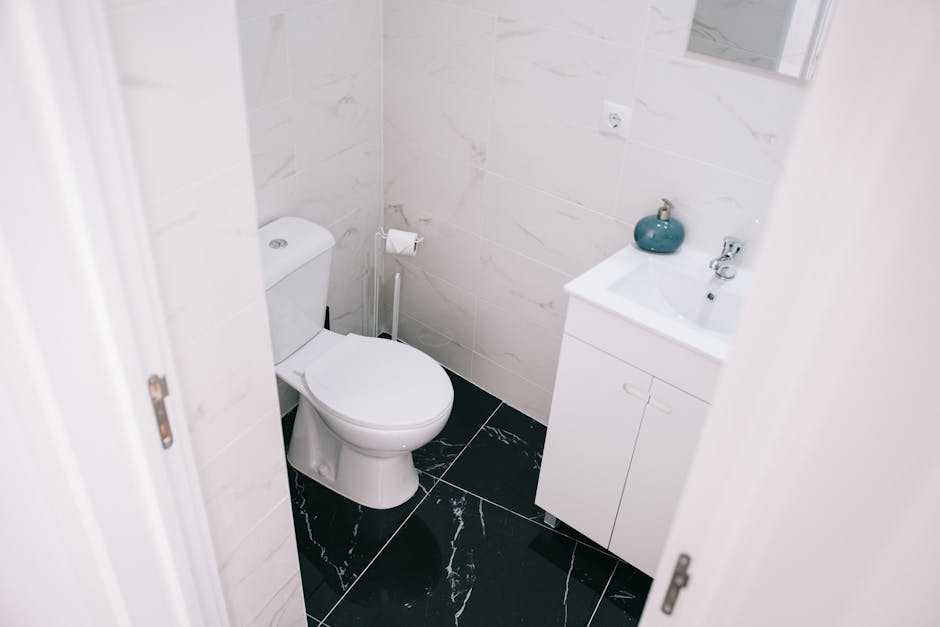
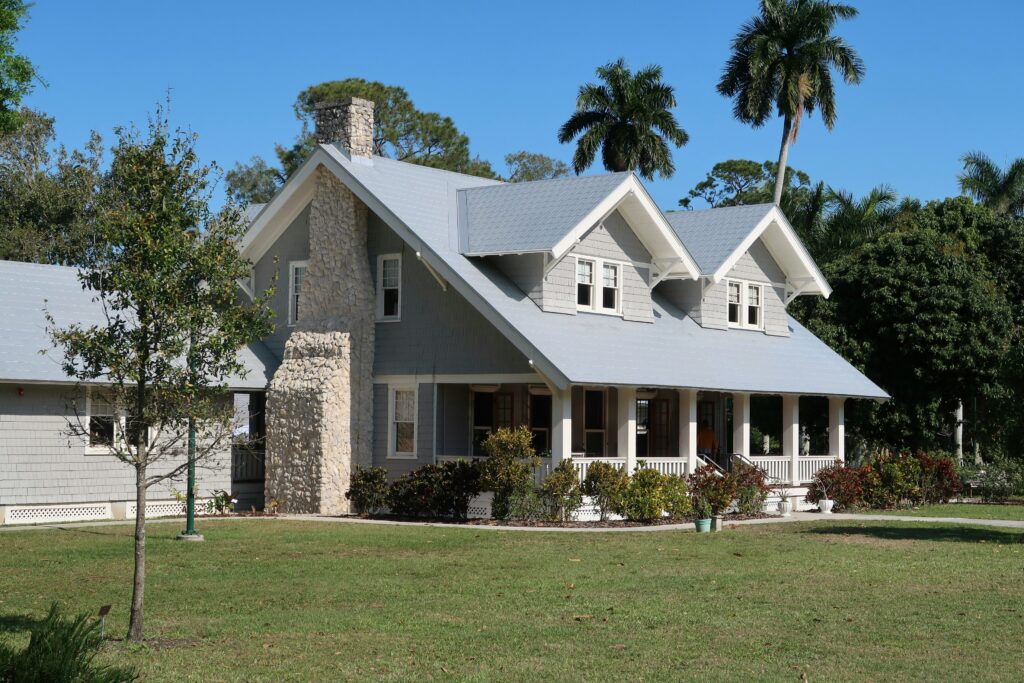
Renovating a property can feel like crossing the finish line. The paint is fresh, the fixtures are updated, and the project that consumed months of planning is finally complete. But if your goal is to turn that renovated home into a rental property, the renovation itself is only part of the journey.
Many first-time landlords assume that once the upgrades are finished, tenants will automatically appear and the property will begin generating steady income. In reality, the transition from renovation project to rental asset requires careful planning. Rental pricing, legal compliance, insurance coverage, maintenance systems, and tenant management all play a major role in determining whether your investment becomes profitable or frustrating.
The timing couldn’t be more relevant. According to the U.S. Census Bureau, there were 42.5 million renter households in the United States in 2023, highlighting the continued demand for rental housing. At the same time, nearly half of renter households spent more than 30% of their income on housing costs, making affordability a major factor in tenant decision-making.
Before listing your renovated property, take time to evaluate whether it’s truly ready to operate as a successful rental. Here’s what every property owner should know.
Start With a Rental Readiness Assessment
A beautiful renovation doesn’t automatically make a property rental-ready. The first step is evaluating whether the home meets the expectations of today’s renters while supporting your financial goals.
Analyze the Local Rental Market
Before setting a rental price, research comparable properties in your area. Look for rentals with similar square footage, bedroom counts, amenities, parking options, and neighborhood characteristics.
Pay attention to:
- Average monthly rent
- Vacancy rates
- Tenant demand
- Seasonal rental trends
- Competing properties currently listed
Overpricing can result in extended vacancies, while underpricing leaves money on the table. A market analysis helps establish realistic expectations and supports better long-term cash flow.
Determine Whether Renovations Match Market Demand
Not every renovation increases rental income equally.
According to the National Association of Realtors and National Association of the Remodeling Industry’s 2025 Remodeling Impact Report, Americans spent an estimated $603 billion on remodeling projects during 2024. The report also found that projects such as steel front doors, closet renovations, and fiberglass front doors offered some of the strongest cost recovery rates.
However, renters typically focus on practicality rather than luxury. Features like updated kitchens, reliable roofing, functional bathrooms, efficient appliances, and adequate storage often influence leasing decisions more than expensive cosmetic upgrades.
Evaluate Property Condition Beyond Appearance
A freshly renovated home can still have hidden operational problems.
Before listing the property, inspect:
- HVAC systems
- Plumbing
- Electrical systems
- Water heaters
- Roofing
- Drainage systems
- Smoke and carbon monoxide detectors
Unexpected repairs shortly after tenant move-in can quickly reduce profitability and create negative tenant experiences.
Understand Legal and Compliance Requirements
Rental regulations vary by state, county, and municipality. Failing to comply with local requirements can result in fines, lawsuits, or delays in leasing your property.
Verify Local Rental Laws
Research the regulations that apply in your area, including:
- Rental licensing requirements
- Property registration rules
- Occupancy limits
- Security deposit regulations
- Fair housing laws
- Habitability standards
Many municipalities require inspections before a property can be rented legally.
Meet Safety and Habitability Standards
Tenant safety should never be treated as an afterthought.
According to Harvard University’s Joint Center for Housing Studies, approximately 3.9 million renter households lived in housing that failed to meet basic suitability and safety standards.
Property owners should verify that:
- Smoke detectors function properly
- Carbon monoxide alarms are installed where required
- Stairways and railings are secure
- Windows operate correctly
- Emergency exits are accessible
- Electrical systems meet code requirements
A safe property protects both tenants and landlords.
Create a Strong Lease Agreement
A lease should clearly define expectations and responsibilities.
Important topics include:
- Rent amount and due dates
- Late payment policies
- Maintenance responsibilities
- Pet policies
- Occupancy rules
- Lease renewal procedures
- Move-out requirements
Working with a qualified attorney or local property management professional can help tailor lease agreements to local regulations.
Protect Your Investment Financially
Renovation costs often receive the most attention, but ongoing financial planning determines long-term success.
Reassess Your Rental Income Expectations
Many new landlords underestimate operating expenses.
Common recurring costs include:
- Property taxes
- Insurance premiums
- Routine maintenance
- Landscaping
- Vacancy periods
- Property management fees
- Accounting services
- Legal expenses
When creating projections, include reserves for unexpected repairs and tenant turnover.
Understand Rental Property Insurance
A standard homeowner’s policy typically does not provide adequate protection for rental properties.
Speak with an insurance professional about landlord insurance that may cover:
- Property damage
- Liability claims
- Loss of rental income
- Certain legal expenses
Additional coverage options may be appropriate depending on the property’s location and risk profile.
Prepare for Vacancy Costs
Even desirable properties experience vacancies.
According to a 2024 U.S. Census Bureau release, more than 21 million renter households were considered housing-cost burdened in 2023, indicating that affordability continues to influence rental decisions.
Property owners who maintain competitive pricing and responsive management often reduce vacancy periods compared to those who rely solely on premium renovation features.
Build an Operational Plan Before Leasing
Owning a rental property means operating an ongoing business, not simply collecting rent checks.
Create a Preventive Maintenance Schedule
One of the most common mistakes landlords make is delaying maintenance until problems become urgent.
Research from the University of California, Berkeley’s Terner Center found that property owners facing cash-flow challenges were substantially more likely to postpone maintenance work, which can contribute to larger repair expenses over time.
Establish a schedule for:
- HVAC servicing
- Roof inspections
- Gutter cleaning
- Pest control
- Plumbing inspections
- Appliance maintenance
Preventive maintenance often costs far less than emergency repairs.
Develop a Tenant Communication Process
Tenants expect prompt responses when issues arise.
Consider:
- Dedicated email addresses
- Property management software
- Online maintenance request systems
- Emergency contact procedures
Clear communication reduces misunderstandings and helps maintain positive landlord-tenant relationships.
Prepare for Tenant Screening
Finding qualified tenants is one of the most important decisions a landlord makes.
Reviewing rental history, employment verification, income documentation, and background information helps reduce risk. Many landlords use specialized screening services to simplify the process.
When evaluating options, research the top tenant screening platforms available today. Solutions such as RentSpree allow landlords to collect applications, review screening reports, and manage parts of the leasing process more efficiently.
A strong screening process can help reduce late payments, lease violations, and turnover costs.
Understand Tenant Expectations After Renovation
Just because a property is newly renovated doesn’t mean tenant expectations disappear.
Cleanliness Matters
Professional cleaning should occur immediately before listing photos are taken and again before move-in.
Pay close attention to:
- Floors
- Windows
- Appliances
- Cabinets
- Bathrooms
- HVAC vents
Small details often influence first impressions.
Reliability Matters More Than Luxury
Many tenants prioritize dependable systems over premium finishes.
They want:
- Working appliances
- Consistent heating and cooling
- Reliable plumbing
- Secure locks
- Fast maintenance responses
A luxury backsplash won’t compensate for recurring plumbing issues.
Transparency Builds Trust
Be honest about:
- Utility responsibilities
- Parking limitations
- HOA restrictions
- Property rules
- Renovation timelines for neighboring units
Setting accurate expectations helps avoid disputes later.
Common Mistakes That Reduce Profitability
Even well-renovated properties can underperform financially when landlords make avoidable mistakes.
Overimproving the Property
Not every neighborhood supports luxury rental rates.
Spending significantly more than local market conditions justify can make it difficult to recover renovation costs through rent.
Ignoring Ongoing Maintenance
Deferred maintenance often leads to:
- Larger repair bills
- Tenant complaints
- Vacancy issues
- Reduced property value
Routine upkeep protects both profitability and tenant satisfaction.
Underestimating Operating Costs
Many investors focus on mortgage payments while overlooking recurring expenses. Comprehensive budgeting creates more accurate cash-flow projections.
Poor Tenant Screening
A single problematic tenancy can result in:
- Missed rent payments
- Property damage
- Legal expenses
- Extended vacancies
Careful screening remains one of the strongest tools available to landlords.
Setting Rent Based on Renovation Costs
Rent should reflect market conditions, not simply renovation spending. Even substantial upgrades may not justify pricing beyond what local renters are willing to pay.
Rental Launch Checklist
Before advertising your renovated property, review the following checklist:
Property Readiness
- Complete all renovations
- Perform final inspections
- Test smoke and carbon monoxide detectors
- Deep clean the property
- Verify appliance functionality
- Document property condition with photos
Legal Preparation
- Confirm licensing requirements
- Review local rental regulations
- Finalize lease agreements
- Verify fair housing compliance
- Understand security deposit rules
Financial Preparation
- Establish rental pricing
- Secure landlord insurance
- Create maintenance reserves
- Budget for vacancies
- Set up rent collection systems
Operational Preparation
- Create maintenance procedures
- Develop tenant communication protocols
- Prepare marketing materials
- Establish tenant screening criteria
- Schedule property showings
Conclusion
Turning a renovated home into a rental property involves far more than completing construction work. Property owners who take time to evaluate market demand, understand legal obligations, review insurance coverage, establish maintenance systems, and prepare for tenant management often position themselves for stronger long-term performance.
The rental market continues to serve millions of households across the United States, creating opportunities for landlords who approach the process thoughtfully. A successful rental isn’t defined solely by attractive renovations. It depends on sound planning, realistic financial expectations, consistent maintenance, and a commitment to providing a safe, well-managed home for tenants.
Before listing your newly renovated property, step back and assess every aspect of the operation. The preparation you complete now can help protect your investment, reduce avoidable costs, and support a more profitable rental experience for years to come.

 Jarvison Nagyan writes the kind of home improvement essentials content that people actually send to each other. Not because it's flashy or controversial, but because it's the sort of thing where you read it and immediately think of three people who need to see it. Jarvison has a talent for identifying the questions that a lot of people have but haven't quite figured out how to articulate yet — and then answering them properly.
They covers a lot of ground: Home Improvement Essentials, Interior Renovation Ideas, Home Design Inspirations, and plenty of adjacent territory that doesn't always get treated with the same seriousness. The consistency across all of it is a certain kind of respect for the reader. Jarvison doesn't assume people are stupid, and they doesn't assume they know everything either. They writes for someone who is genuinely trying to figure something out — because that's usually who's actually reading. That assumption shapes everything from how they structures an explanation to how much background they includes before getting to the point.
Beyond the practical stuff, there's something in Jarvison's writing that reflects a real investment in the subject — not performed enthusiasm, but the kind of sustained interest that produces insight over time. They has been paying attention to home improvement essentials long enough that they notices things a more casual observer would miss. That depth shows up in the work in ways that are hard to fake.
Jarvison Nagyan writes the kind of home improvement essentials content that people actually send to each other. Not because it's flashy or controversial, but because it's the sort of thing where you read it and immediately think of three people who need to see it. Jarvison has a talent for identifying the questions that a lot of people have but haven't quite figured out how to articulate yet — and then answering them properly.
They covers a lot of ground: Home Improvement Essentials, Interior Renovation Ideas, Home Design Inspirations, and plenty of adjacent territory that doesn't always get treated with the same seriousness. The consistency across all of it is a certain kind of respect for the reader. Jarvison doesn't assume people are stupid, and they doesn't assume they know everything either. They writes for someone who is genuinely trying to figure something out — because that's usually who's actually reading. That assumption shapes everything from how they structures an explanation to how much background they includes before getting to the point.
Beyond the practical stuff, there's something in Jarvison's writing that reflects a real investment in the subject — not performed enthusiasm, but the kind of sustained interest that produces insight over time. They has been paying attention to home improvement essentials long enough that they notices things a more casual observer would miss. That depth shows up in the work in ways that are hard to fake.