I’ve seen too many homeowners stare at their house for months, wanting to fix the exterior but having no idea where to begin.
You know your home needs work. Maybe the siding looks tired or the front door doesn’t match anything. But every time you think about starting, you freeze up. What comes first? Paint or landscaping? New windows or a porch update?
That’s renovation paralysis. And it stops more projects than budget problems ever will.
I created the Dr. Homey’s Exterior Renovation Plan to fix exactly this problem. It’s a step by step system that takes you from confused to confident.
No guessing what order things should happen in. No wondering if your choices will look good together.
This guide walks you through the exact phases of the plan. You’ll see which projects to tackle first, how to make everything work as a cohesive design, and how to avoid the mistakes that waste money.
I’ve used this approach on countless homes. It works because it removes the overwhelm and gives you a clear path forward.
By the end, you’ll know exactly what to do next. And you’ll have a home exterior that actually makes you proud when you pull into the driveway.
The Core Philosophy: Mastering the ‘Curb Appeal Trinity’
You know what drives me crazy?
Walking through neighborhoods and seeing homes that look like they had an identity crisis. A farmhouse door slapped onto a modern exterior. Coastal blue shutters next to desert landscaping. Chrome fixtures fighting with oil-rubbed bronze.
It’s chaos.
And I get why it happens. You see something beautiful on Pinterest. You buy it. Six months later, you spot another great piece and add that too. Before you know it, your home’s exterior looks like a design sample board instead of an actual house.
Here’s what most people don’t realize before they start swinging hammers.
Your curb appeal needs a plan. Not just any plan but one built on three principles that work together. I call it the Curb Appeal Trinity, and it’s what separates homes that look professionally designed from those that look pieced together.
Principle 1: Architectural Cohesion
This is about making your home speak one language.
Think of it like getting dressed. You wouldn’t wear running shoes with a formal suit (unless you’re commuting in New York, but that’s different). Your home works the same way.
Start with your color palette. Pick three to four colors max. One main color, one accent, and maybe a trim color. That’s it.
Then look at your material finishes. If you go with matte black on your front door hardware, that same finish should show up on your light fixtures and house numbers. Mixing matte black with brushed nickel with chrome? That’s where things start looking confused.
The Drhextreriorly approach focuses on creating this unified look from the start. Because fixing it later costs twice as much.
Principle 2: Dynamic Dimension
Flat facades are boring. Period.
I see this all the time. Someone paints their house a beautiful color but it still looks lifeless. That’s because they forgot about depth.
Your eye needs something to land on. Contrasting textures do this naturally. Smooth fiber cement siding against rough stacked stone. Painted wood trim next to natural brick.
Lighting adds another layer. A well-placed sconce casts shadows that change throughout the day. Suddenly your entrance has movement and interest.
And plant heights matter more than you think. Low groundcover, medium shrubs, tall ornamental grasses. Each layer pulls your eye through the space instead of letting it slide right past.
Principle 3: The Living Frame
This is where most people mess up.
They treat landscaping like an afterthought. Something to deal with after the house is done. But plants aren’t decoration. They’re part of the structure.
Think about how a frame makes a painting look finished. That’s what landscaping does for your home. It softens those hard architectural lines. It guides visitors toward your front door without them even realizing it.
I use plants to hide what I don’t want you to see and highlight what I do. A tall ornamental grass can block an ugly utility box. Lower plantings can draw attention to beautiful stonework.
The goal is making your home look like it belongs right where it sits. Not like it was dropped there yesterday.
These three principles work together. Miss one and the whole thing feels off. But get all three right? That’s when people slow down driving past your house.
Phase 1: The Foundational Assessment and Vision
Most people start their exterior makeover by picking paint colors or scrolling through Pinterest.
That’s backwards.
Before you touch anything, you need to know what you’re working with. I mean really know it. Not just a quick glance from the curb.
Think of it like going to the doctor. You don’t start treatment before the diagnosis, right? Same principle applies to your home’s exterior.
The Exterior Audit Checklist
Grab a notebook and walk around your house. You’re looking for problems and potential.
Start at the top. Check your roof for missing shingles or dark spots that signal water damage. Move down to the siding and look for cracks, warping, or rot. Test your windows by opening and closing them (sticky windows mean frame issues). Inspect the foundation for cracks wider than a quarter inch. As you prepare to delve into the immersive world of home improvement in gaming, remember that just like in your favorite RPG, you must start by examining your surroundings, ensuring everything is in order, both “Drhextreriorly” and externally, to avoid any hidden pitfalls that could derail your progress.
Don’t skip the gutters. Sagging or rust means they need replacing, not just cleaning.
Here’s what matters. You need to separate the must-fix items from the nice-to-have updates. A leaking roof? That’s non-negotiable. Faded shutters? Those can wait.
Some folks say you should replace everything at once to save on labor costs. But that assumes you have unlimited funds. Most of us don’t.
Budgeting with Precision
Let me give you a simple breakdown that actually works.
Take your total budget and split it like this. Put 40% toward major structures like your roof, foundation repairs, or structural siding replacement. These are the bones of your house building drhextreriorly project. We explore this concept further in Drhextreriorly Exterior Design by Drhomey.
Allocate 30% for surfaces. That’s paint, siding refresh, or exterior finishes that change how your home looks.
Reserve 20% for landscaping. Yes, really. A great house with dead grass and overgrown bushes still looks bad.
The final 10% goes to details. New house numbers, updated light fixtures, fresh hardware on your front door.
This drhextreriorly exterior plan from drhomey keeps you from overspending in one area and scrambling to finish the rest.
Creating Your Vision Board
Now comes the fun part.
You need a clear picture of where you’re headed. Not just “I want it to look nice.” That’s too vague.
Pull images from magazines, websites, or neighborhoods you admire. Look for homes with similar architecture to yours. A craftsman bungalow shouldn’t try to look like a modern farmhouse (trust me on this).
Pay attention to color combinations, trim details, and landscaping styles that speak to you. Save at least 15 to 20 examples.
Then narrow it down. Pick your top three favorites and identify what they have in common. That’s your aesthetic direction.
Pin these images somewhere you’ll see them daily. When you’re making decisions later about paint or plants, you’ll have a reference point instead of guessing.
Phase 2: Executing on the ‘Bones’ of Your Home
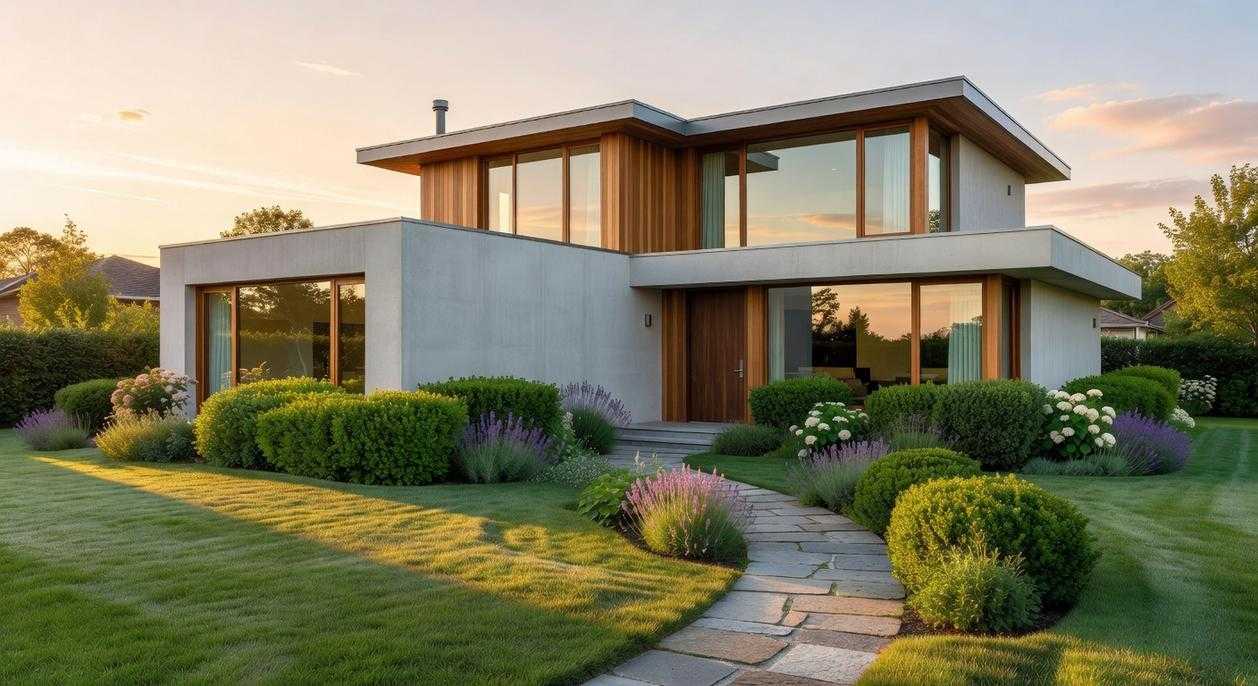
You’ve got your plan.
Now comes the part where you actually transform what people see when they pull up to your house.
This is where I see most homeowners get stuck. They know they want change but they’re not sure which big decisions to tackle first. Or they pick materials without understanding what they’re really signing up for.
Let me walk you through the three major elements that’ll give you the biggest return on your effort.
Siding is where your money goes to work.
Vinyl costs less upfront and you’ll barely touch it for maintenance. But it can look cheap if you go with thin profiles. Fiber cement gives you that crisp look and holds up in pretty much any climate (I’ve seen it survive coastal salt air and desert heat). Wood looks incredible but you’re committing to regular upkeep. Stucco works great in dry climates but can trap moisture in humid areas.
Here’s what matters. Pick based on where you live first, then your budget, then style. A beautiful material that fails in your climate is just expensive regret.
Your roof color sets the tone for everything else.
I call this the fifth wall strategy because your roof takes up massive visual real estate. Most people ignore it when planning their outer design drhextreriorly project.
Charcoal anchors a modern look. Weathered wood tones warm up traditional homes. Slate gray works with almost anything (which is why half the neighborhood probably has it).
Pick your roof color before you pick your siding. Not after.
Windows and doors do more than you think.
Sure, new windows cut your energy bills. But they also change your home’s entire personality.
Grid patterns matter. Colonial grids say traditional. No grids read modern. Your trim color can make windows pop or disappear. And your front door? That’s your chance to make a statement without committing your whole house to a bold choice. When designing your home’s facade, consider how elements like grid patterns and trim color not only influence aesthetics but also impact the overall vibe of your space, for a truly captivating look can be achieved when you embrace bold choices, like painting your front door Drhextreriorly to create an unforgettable focal point.
A fresh door in the right color can shift your curb appeal more than any other single upgrade for the money.
Phase 3: Layering in the High-Impact Details
You’ve fixed the structure. You’ve cleaned up the facade.
Now comes the fun part.
This is where your home stops looking like a project and starts looking like something out of a design magazine. I’m talking about the details that make people slow down when they drive past your house.
Some designers will tell you details don’t matter that much. They say if you get the big stuff right, the small things take care of themselves.
I disagree.
Those finishing touches? They’re what separate a decent exterior from one that actually turns heads. Skip them and your home looks unfinished, like you ran out of steam halfway through.
Let me walk you through exactly how to nail this final phase.
1. The 3-Part Paint Formula We break this down even more in What Do Exterior Designers Do Drhextreriorly.
Your paint scheme needs three colors working together.
Start with your main field color. This covers most of your siding or exterior walls. Pick something that fits your neighborhood but still feels like you.
Next comes your trim color. This goes on window frames, fascia boards, and corner trim. It should complement your main color without blending in completely.
Then add your accent color for the front door. This is where you can get bold. A deep navy, rich red, or even black can make your entrance pop.
The trick is balance. Your main color does the heavy lifting. The trim defines the architecture. The door creates a focal point.
2. A Layered Lighting Plan
One porch light isn’t enough.
I know that sounds like overkill, but hear me out. Good exterior lighting serves three purposes: safety, beauty, and atmosphere.
Path lights line your walkway so guests don’t trip in the dark. (Plus they look welcoming when you pull up at night.)
Architectural uplighting sits at ground level and shines up on interesting features. Think brick chimneys, stone facades, or unique trim work. This adds drama after sunset.
Ambient sconces flank your front door or garage. They provide that warm glow that makes your home feel inviting instead of cold.
When you layer these together, your home looks intentional at every hour.
3. Landscaping for Maximum Impact
You don’t need a green thumb to get this right.
Start with curved garden beds along your foundation. Straight lines feel harsh. Curves soften the angles of your home and create visual flow.
Mix evergreens with perennials. The evergreens give you structure year-round while perennials add seasonal color. You get interest in January and July.
Add one statement piece. Maybe it’s a Japanese maple near your entrance or a large decorative planter. Something that draws the eye and anchors your design.
Keep it simple. A few well-placed plants beat a chaotic mess of everything you found at the garden center.
4. The Final Polish
Think of hardware as jewelry for your home.
New house numbers make a bigger difference than you’d expect. Go for something modern and visible from the street. Brushed nickel or matte black work with most styles.
Your mailbox should match your overall aesthetic. If you’ve gone contemporary with your updates, don’t stick with that builder-grade plastic box from 1987.
Door handles and locks matter too. Coordinate the finish with your other hardware. It’s a small detail but it completes the cohesive look.
These finishing touches tell visitors you care about the whole picture, not just the obvious stuff. They’re what make a drhextreriorly exterior plan feel complete instead of halfway done. In the realm of gaming design, mastering the art of House Building Drhextreriorly allows creators to elevate their virtual spaces, ensuring that every detail resonates with a sense of care and completeness.
And honestly? This phase is where you’ll probably have the most fun. The pressure’s off. You’re just adding the personality that makes this house yours.
Your Home’s Exterior, Reimagined
You now have the complete roadmap.
What felt overwhelming before is now a series of clear steps you can actually follow. Each phase builds on the last until your home looks exactly how you want it.
I designed the DR Hextreriorly Exterior Plan to take the guesswork out of renovation. No more wondering what comes first or how long things should take.
Start with the Exterior Audit today. Walk around your home with fresh eyes and note what needs attention.
That’s your first step toward transforming your curb appeal. The rest will follow naturally once you begin.
Your home has potential you haven’t tapped yet. Now you know how to bring it out.

 Tylisia Rothwyn writes the kind of interior renovation ideas content that people actually send to each other. Not because it's flashy or controversial, but because it's the sort of thing where you read it and immediately think of three people who need to see it. Tylisia has a talent for identifying the questions that a lot of people have but haven't quite figured out how to articulate yet — and then answering them properly.
They covers a lot of ground: Interior Renovation Ideas, Home Design Inspirations, Gardening and Landscaping Tips, and plenty of adjacent territory that doesn't always get treated with the same seriousness. The consistency across all of it is a certain kind of respect for the reader. Tylisia doesn't assume people are stupid, and they doesn't assume they know everything either. They writes for someone who is genuinely trying to figure something out — because that's usually who's actually reading. That assumption shapes everything from how they structures an explanation to how much background they includes before getting to the point.
Beyond the practical stuff, there's something in Tylisia's writing that reflects a real investment in the subject — not performed enthusiasm, but the kind of sustained interest that produces insight over time. They has been paying attention to interior renovation ideas long enough that they notices things a more casual observer would miss. That depth shows up in the work in ways that are hard to fake.
Tylisia Rothwyn writes the kind of interior renovation ideas content that people actually send to each other. Not because it's flashy or controversial, but because it's the sort of thing where you read it and immediately think of three people who need to see it. Tylisia has a talent for identifying the questions that a lot of people have but haven't quite figured out how to articulate yet — and then answering them properly.
They covers a lot of ground: Interior Renovation Ideas, Home Design Inspirations, Gardening and Landscaping Tips, and plenty of adjacent territory that doesn't always get treated with the same seriousness. The consistency across all of it is a certain kind of respect for the reader. Tylisia doesn't assume people are stupid, and they doesn't assume they know everything either. They writes for someone who is genuinely trying to figure something out — because that's usually who's actually reading. That assumption shapes everything from how they structures an explanation to how much background they includes before getting to the point.
Beyond the practical stuff, there's something in Tylisia's writing that reflects a real investment in the subject — not performed enthusiasm, but the kind of sustained interest that produces insight over time. They has been paying attention to interior renovation ideas long enough that they notices things a more casual observer would miss. That depth shows up in the work in ways that are hard to fake.