
Start with What You Already Own
Before you buy anything new, take a harder look at what’s already in your space. Most rooms improve instantly with better flow. Shift your furniture to open up walking paths or give more breathing room to pieces that feel crammed in. That coffee table that’s always in the way? Try it as a side table instead.
This is also where raiding other rooms pays off. A nightstand from the bedroom can moonlight as a plant stand in the living room. That lonely dining chair might round out your entryway setup. Mix and match. If it looks good and works, you’re winning.
Decluttering isn’t just about removing stuff it’s about seeing your room clearly. Every object holds visual weight, and some of them might be dragging the whole place down. Clear the surfaces, donate what you don’t love, and watch your space snap back to life.
Want visual proof that less really is more? Take a peek at these minimalist design ideas. They’ll show you how clarity can come without spending a dime.
A Fresh Coat Without Painting Everything
Sometimes, a little paint or pattern in the right place can change the entire vibe of a room no need for a full, messy re do. Here are easy ways to bring new life to your walls (and beyond) without the commitment of a major project.
Try an Accent Wall
You don’t need full gallons of fresh paint to pull off an accent wall.
Use leftover paint from previous projects to add color behind a headboard, desk, or in a hallway nook
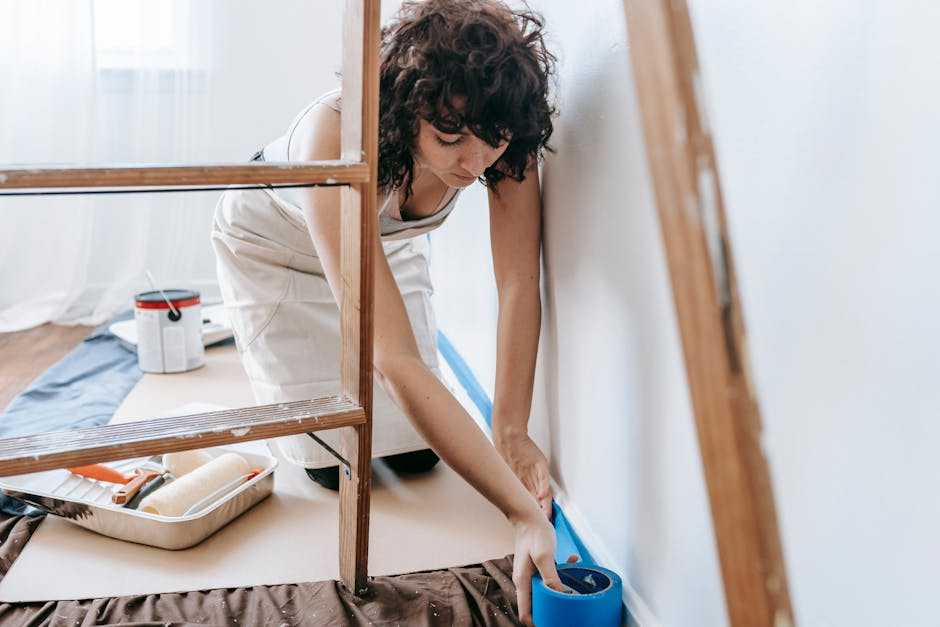
Combine paint with stencils or tape to create geometric designs, modern stripes, or organic flow shapes
Leftover or mismatched wallpaper? Use it on a single wall for visual interest without a total overhaul
Go Removable for Maximum Flexibility
Perfect for renters or commitment phobes there are plenty of semi permanent options that leave no damage behind.
Peel and stick wallpaper comes in endless designs and is easy to remove when tastes (or leases) change
Removable decals and panels work great for kids’ spaces or trendy updates
Paint the Details, Not the Whole Room
If you’re low on time, budget, or patience, skip the walls and paint something surprising.
Door trims or interior doors in bold or contrast colors add instant visual variety
A fresh coat on old furniture can revive a tired piece instantly
Try matte black, soft sage, or off white for timeless appeal
Budget Paint Finds That Go Far
You don’t need top shelf materials for small touch updates.
Local hardware stores often have discount shelves of returned paint at deep markdowns
Paint swap groups or community buy/sell boards are great for scoring leftover supplies
Sample pots (usually under $5) go a long way for small projects
These subtle projects prove you don’t need to overhaul an entire room to feel like you’re living in a different space.
Reimagine Soft Surfaces

You don’t need to gut a room to make it feel fresh. Sometimes, it’s as simple as swapping a few soft staples. Start with pillow covers trade your summer linens for heavier textures like velvet or chunky knits as the seasons change. Same goes for throws: switching them out gives your space a quick mood shift without buying anything new.
Layering rugs is another easy upgrade. Try stacking a smaller patterned rug over a large plain one. Or just flip your current area rug for a faded, worn in look. If it’s reversible, even better.
Curtains are underrated. Swapping them by season lightweight cottons in warmer months, thicker weaves or darker colors in cooler ones can rebalance the whole room’s tone. Play with pattern or keep it neutral, depending on what anchors your space.
In the end, it’s all about texture. Rough vs. smooth, matte vs. shiny these contrasts catch the eye and wake up a room faster than a coat of paint. Small fabric shifts can have surprisingly big visual payoff.
Light, Smarter
Lighting is one of the fastest ways to change how a room feels without touching your walls or flooring. Start with your bulbs. Swapping from warm light to daylight (or the other way around) can shift a space from cozy to crisp in seconds. It’s not just aesthetic it affects how energized or relaxed the room feels.
Next, rethink lamp placement. That floor lamp buried in the corner? Bring it forward. Table lamps don’t have to live on end tables. Try one on the kitchen counter, a windowsill, or even a bookshelf. You’re not locked into the default layout. Aim for layered lighting: something overhead, something eye level, something low.
To go a step further without adding new light fixtures, bring in reflective surfaces. Mirrors bounce light around and make tight areas feel bigger. Metallics brass, chrome, bronze do the same in smaller doses. Even a high gloss vase or lacquered tray earns its keep in low light rooms. Want more brightness? Don’t always add more lamps just help your existing light go further.
Under the Radar Decor Changes
You don’t need to gut a room to make it feel different. Start with the parts your hands touch every day cabinet handles, drawer pulls, door knobs. Swapping out hardware is low effort, but it instantly shifts the tone in kitchens, bathrooms, and even bedroom furniture. Matte black, brushed brass, or even ceramic tighten your look with intention.
Walls deserve the same kind of attention. Stop waiting for the perfect art piece to show up. Dig into your digital photo stash or grab that old show printable poster you loved back in college. A clean frame nothing flashy can elevate just about anything. You don’t need to spend; you just need to frame it like it matters.
And when a space is feeling lifeless, a vase and a little creativity goes a long way. Clip some branches from outside. Toss in dried citrus or pinecones. Hit the dollar store for filler. It’s not about the price it’s about the texture, the shape, the contrast. Pair these tweaks with subtle minimalist design elements and you’ve got a refresh that feels calm, not forced.
Real Impact with Real Restraint
When it comes to refreshing your space, impact doesn’t have to mean excess. In fact, embracing restraint can be the most powerful and cost effective approach.
Embrace the “Less is More” Philosophy
It’s easy to fall into the trap of thinking more items lead to better design. But often, reducing visual noise creates the biggest shift in how your space feels.
A cleaner space allows key pieces to stand out.
Less clutter amplifies light and opens up the room.
Design confidence comes from clarity, not accumulation.
The One In, One Out Rule
Manage your space with purpose by bringing in new items only when something else goes:
Added a new vase? Remove an older piece collecting dust.
Got fresh throw pillows? Donate or store the previous set.
This creates balance and keeps your home feeling curated not crowded.
Edit Before You Buy
Before adding anything to your cart, pause and reassess:
Is this new piece filling a real need or just a momentary impulse?
Can something you already own serve the same purpose?
Would removing something else create a better effect than adding more?
Being intentional isn’t about restriction it’s about refinement. The most stylish homes often make a bold impact with fewer, more meaningful elements.
Small Shifts, Big Feel
Not every home update requires a trip to the hardware store or your wallet. Sometimes, the most effective interior refreshes involve no spending at all, just a keener eye and a lighter touch.
Focus on Attention, Not Renovation
The key to feeling good in your space isn’t a full blown remodel. It’s about noticing what’s there and intentionally adjusting.
Observe how you move through your space daily
Take note of areas that feel cluttered, heavy, or static
Ask yourself: what can be removed to make the space feel lighter?
Rotate, Refresh, Remove Quarterly
Just like your wardrobe changes with the season, your interiors can too with minimal effort.
Rotate your artwork, books, or decorative objects in and out of view
Refresh soft goods like pillow covers or small rugs to hint at a new season
Remove one item for every new one you bring in (you might not even need to add anything)
Set a calendar reminder to revisit your space every few months. A simple walkthrough with fresh eyes can reveal instant mood boosters.
Embrace Change as a Design Tool
Your space doesn’t need to be static. Let it evolve with you.
Make adaptability part of your home identity
Keep a small bin of swappable items textiles, frames, accents for easy refreshes
Focus less on perfection and more on how your space feels to live in
In short: you don’t need more. You need to pay more attention to what you’ve already got. The transformation starts with noticing and continues with small, thoughtful shifts.