
Understanding the Soul of the Space
Renovating a historic interior starts with a mindset of respect. These spaces carry stories embedded not only in their layout but in every detail, from the materials used to the craftsmanship behind them. Before reaching for modern trends, take a moment to understand what makes the space unique.
Why Character Matters
The defining features of older homes aren’t just aesthetic they’re foundational to the home’s identity. Preserving these elements helps maintain historical integrity while offering inspiration for modern updates.
Classic details to take note of:
Plaster walls: Textural and durable, often handmade
Ceiling medallions: Ornate central features that speak to a room’s original purpose and elegance
Transom windows: Once used to improve airflow, now valued as charming architectural accents
These character rich details can’t easily be replicated. Their presence calls for thoughtful integration into any design plan.
Research Before You Renovate
Every historic home has a backstory and understanding that context will guide your renovation strategy:
Start with the era: Was the home Victorian, Craftsman, Colonial Revival? Each style has distinct elements worth preserving
Check local records or archives: They may offer blueprints, photos, or records that reveal original layouts or finishes
Look for past renovations: Identify where original character remains vs. where modern interventions have occurred
This research phase helps determine:
What should be preserved or restored
What can be updated without compromising authenticity
Let Features Guide Design Choices
Original features aren’t just artifacts they’re design cues. Use them to build a grounded, cohesive aesthetic. For example:
An elaborate mantel might inspire both the color scheme and lighting choices
A curved stair railing could inform the types of shapes and materials used elsewhere
If original trim or millwork survives, mimic its proportions in any new cabinetry or built ins
By honoring what’s already there, your updates will feel intentional not imposed.
Preservation isn’t about freezing time. It’s about allowing a home’s history to breathe alongside modern life.
The Balancing Act: Old Meets New
Modernizing a historic interior is less about gutting and more about choosing carefully. Start with the spaces that work hardest kitchens and bathrooms. Updating these with efficient layouts, cleaner lighting, and up to date HVAC systems makes the entire home more livable without hijacking its soul.
But don’t bulldoze the past. Great renovations respect what’s already there. If the ceiling features original beams or the trim has centuries old craftsmanship, design around it. You’re not masking flaws you’re surfacing charm.
When it comes to materials, tension is your friend. Pairing polished marble counters with aged wood cabinets makes both shine. Raw brick alongside black metal shelving feels intentional, not forced. The goal isn’t to hide the age it’s to use it. It’s not about matching eras. It’s about letting them argue a little, then settle into something honest and livable.
Design Choices That Work
When it comes to updating historic interiors, going neutral doesn’t mean playing it safe it means letting the original details do the talking. Think warm whites, soft grays, muted greens and blues. These tones don’t fight with crown moulding or antique millwork. They frame the room, not compete with it.
Then there’s the hardware and fixtures the unsung heroes of blending eras. Brass, iron, and aged bronze finishes nod to the past without dragging the space into a time capsule. The key is contrast that feels intentional. A modern pendant over an 1800s dining room table? It works, if the lines are clean and the materials feel substantial.
Flooring is where things get touchy. If the original wood is creaking but intact, restore it. Sand it, stain it, seal it. Nothing beats the character of planks that have endured a century of footsteps. If it’s beyond repair, go for replacements that mimic age wide planks, hand scraped finishes, or reclaimed wood. The worst move is patchy fixes that don’t match either commit to saving it or start fresh with respect for what once was.
Budget Strategy For Renovating Right
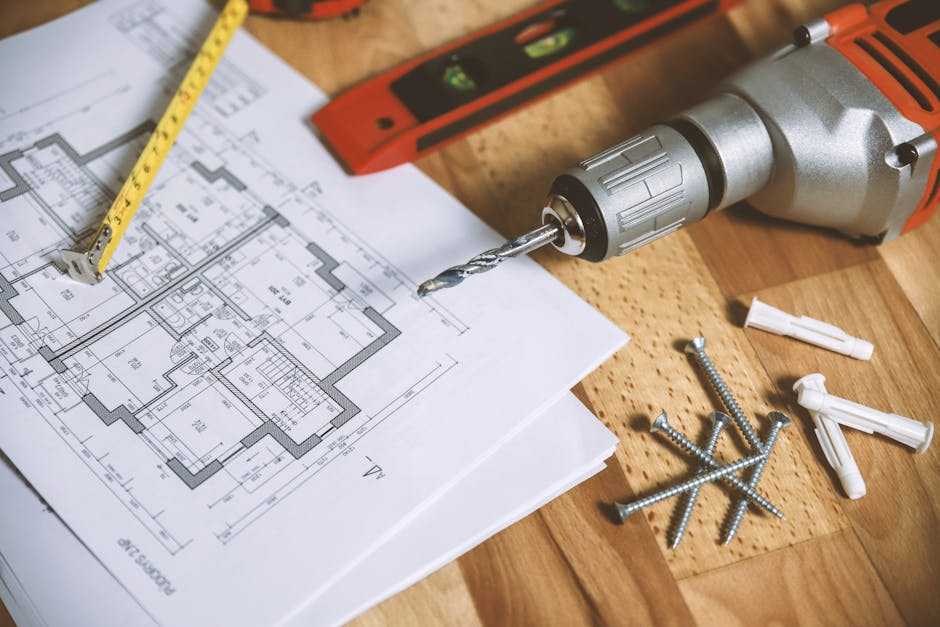
Renovating a historic interior doesn’t have to drain your savings if you aim for smart upgrades over flash. Start by recognizing what’s worth preserving. Original woodwork, plaster details, and old growth flooring are often irreplaceable. Don’t gut these. Instead, build your budget around enhancing them.
When money’s tight, safety upgrades come first. You can’t enjoy a Victorian ceiling medallion if the electrical behind it is a fire hazard. Focus on foundational improvements: rewiring, plumbing, structural reinforcement. Once the bones are solid, then pivot to style.
Spend where it counts long term. Windows that boost energy efficiency without compromising the facade, insulation that does its job invisibly, and artisan restoration work these are savvy places to allocate funds. Artisan led repairs might cost more upfront, but they extend the life of historic features and avoid the plastic, cookie cutter look of cheaper fixes.
Be strategic. You don’t need to modernize everything at once. Phase your updates based on urgency and return not trend cycles. Honor the house before making it your own. The result? A home that holds its soul, and your budget.
Common Pitfalls and How to Avoid Them
Renovating a historic home isn’t just about making it livable it’s about keeping its story intact. One of the easiest traps to fall into is over modernizing. Stripping out original molding, gutting solid plaster walls, or replacing antique doors with off the shelf modern options might make the space feel slick, but it also wipes out the character that made the home worth saving in the first place. Updates should elevate, not erase.
Then there’s the paperwork no one likes to deal with: permits. Skipping structural assessments or failing to pull proper permits can lead to a nightmare down the line. Historic homes often have hidden quirks settling foundations, outdated wiring, secret water damage. A licensed contractor and structural engineer can save you from future regrets with a solid inspection up front.
Lastly, be careful with style choices. A Scandinavian minimalist kitchen slammed into an Edwardian parlor makes the whole house feel disjointed. Cohesion matters. That doesn’t mean everything has to match era for era, but there should be a conversation between rooms, not a clash. Pick a central aesthetic, and let it evolve through the space, not fight for attention. This isn’t a showroom it’s a home.
Expert Guidance and Resources
Renovating an older home isn’t just about picking the right paint or backsplash. It’s about knowing what not to touch and who knows how to treat it. Contractors with experience in historic properties are worth their weight in reclaimed wood. They understand the quirks: lath and plaster, century old wiring, framing that doesn’t conform to today’s standards. These aren’t so much obstacles as they are cues. The right team knows how to work with them.
And when it comes to materials, authenticity isn’t a nice to have it’s essential. Whether it’s salvaged wide plank flooring, antique brass hardware, or reproduction moldings, sourcing period authentic materials pays off. They help the new feel like it’s been there all along.
Before you swing a hammer (or hire someone who will), dig into this essential primer: older home renovation. It lays out what to look for, what to avoid, and how to bring timeless style into the now without erasing where your home started.
Real Results In Real Homes
Historic home renovations aren’t just conceptual they’re transforming real spaces with remarkable results. Across the country, homeowners are finding creative, respectful ways to integrate modern comforts while preserving the charm of earlier eras.
Case Studies: Elegance in Action
Here are a few examples of successful historic renovations that strike the right balance:
1890s Townhouse in Boston
Exposed brick and restored ceiling medallions preserved
A sleek, minimalist kitchen installed using matte hardware and soft lighting
Craftsman Bungalow Revival in California
Original built in shelving retained
Modern, energy efficient windows styled to match the original leaded glass patterns
Colonial Farmhouse in Virginia
Reclaimed wood flooring refinished, not replaced
Smart home technology carefully hidden within original wall cavities
Lessons from Homeowners
Every renovation comes with surprises, but many homeowners share similar insights:
Start with structure. Before choosing paint colors, make sure your home’s foundation and support systems are sound.
Respect the rhythm of the house. Let the architecture tell you what it wants to be.
Expect the unexpected. Behind every plaster wall might be a mystery budget and plan accordingly.
Inspiration and Deeper Dives
Renovating a historic interior can feel overwhelming, but the right guidance goes a long way. For more real life examples, expert advice, and visual inspiration, check out the complete guide:
More inspiration and detailed breakdown: older home renovation

 Jarvison Nagyan writes the kind of home improvement essentials content that people actually send to each other. Not because it's flashy or controversial, but because it's the sort of thing where you read it and immediately think of three people who need to see it. Jarvison has a talent for identifying the questions that a lot of people have but haven't quite figured out how to articulate yet — and then answering them properly.
They covers a lot of ground: Home Improvement Essentials, Interior Renovation Ideas, Home Design Inspirations, and plenty of adjacent territory that doesn't always get treated with the same seriousness. The consistency across all of it is a certain kind of respect for the reader. Jarvison doesn't assume people are stupid, and they doesn't assume they know everything either. They writes for someone who is genuinely trying to figure something out — because that's usually who's actually reading. That assumption shapes everything from how they structures an explanation to how much background they includes before getting to the point.
Beyond the practical stuff, there's something in Jarvison's writing that reflects a real investment in the subject — not performed enthusiasm, but the kind of sustained interest that produces insight over time. They has been paying attention to home improvement essentials long enough that they notices things a more casual observer would miss. That depth shows up in the work in ways that are hard to fake.
Jarvison Nagyan writes the kind of home improvement essentials content that people actually send to each other. Not because it's flashy or controversial, but because it's the sort of thing where you read it and immediately think of three people who need to see it. Jarvison has a talent for identifying the questions that a lot of people have but haven't quite figured out how to articulate yet — and then answering them properly.
They covers a lot of ground: Home Improvement Essentials, Interior Renovation Ideas, Home Design Inspirations, and plenty of adjacent territory that doesn't always get treated with the same seriousness. The consistency across all of it is a certain kind of respect for the reader. Jarvison doesn't assume people are stupid, and they doesn't assume they know everything either. They writes for someone who is genuinely trying to figure something out — because that's usually who's actually reading. That assumption shapes everything from how they structures an explanation to how much background they includes before getting to the point.
Beyond the practical stuff, there's something in Jarvison's writing that reflects a real investment in the subject — not performed enthusiasm, but the kind of sustained interest that produces insight over time. They has been paying attention to home improvement essentials long enough that they notices things a more casual observer would miss. That depth shows up in the work in ways that are hard to fake.