Think Vertically, Not Just Horizontally
In small living spaces, maximizing square footage often means thinking beyond the floor. Vertical design strategies can dramatically increase functionality without cramping your layout.
Maximize Wall Storage
Instead of crowding your floors with bulky furniture, take advantage of your vertical real estate:
Floating shelves offer flexible display and storage options without encroaching on valuable floor space.
Tall cabinetry reaches toward the ceiling, making use of areas that often remain empty while adding tons of storage.
Add Vertical Greenery
If natural light is scarce, vertical gardens provide a vibrant solution that keeps your floor open for everyday use:
Install wall mounted planters with low light plants to bring life into light challenged rooms.
Use vertical hydroponic systems if you’re short on soil and sunshine.
Elevate with Raised or Platform Furniture
Furniture that incorporates elevation can reclaim underutilized space:
Use platform beds with built in drawers or roll out bins to double up on sleeping and storage space.
Add raised seating areas or lofted beds to free up space below for desks, storage, or lounging zones.
By moving upward with your design, you create a space that feels more open, organized, and intentional.
Open Up Where You Can
When square footage is tight, every inch counts. Start by looking at your walls not all of them are holding up your house. Knocking out non structural barriers between rooms can seriously improve the flow, both for movement and natural light. That dark, awkward corner you never use? Might just become your new favorite space once it’s connected to the rest of the room.
Next, ditch the swing doors they eat up precious real estate. Sliding doors and pocket doors are nimble alternatives that free up space for storage or make room layouts more flexible. They’re not just practical, they also add a clean, modern look in small homes.
Finally, tackle your kitchen. Big cabinets might store a lot, but they also bog down the room. Open shelving keeps things light and accessible, especially when wall space is at a premium. It forces you to stay organized, too bonus.
Simple shifts, big impact. That’s the point.
Light It Right
Lighting can make or break a small space. One overhead bulb won’t cut it. Instead, layer your lighting: ambient to set the mood, task lights where you need to get stuff done (like over a desk or kitchen counter), and accent lights to highlight details like artwork or shelving. This combo adds visual depth and makes the room feel more intentional.
Next, get mirrors involved. A well placed mirror doesn’t just show your face it bounces light around and tricks the eye into thinking there’s more space than there is. Try one opposite a window or across from a light source.
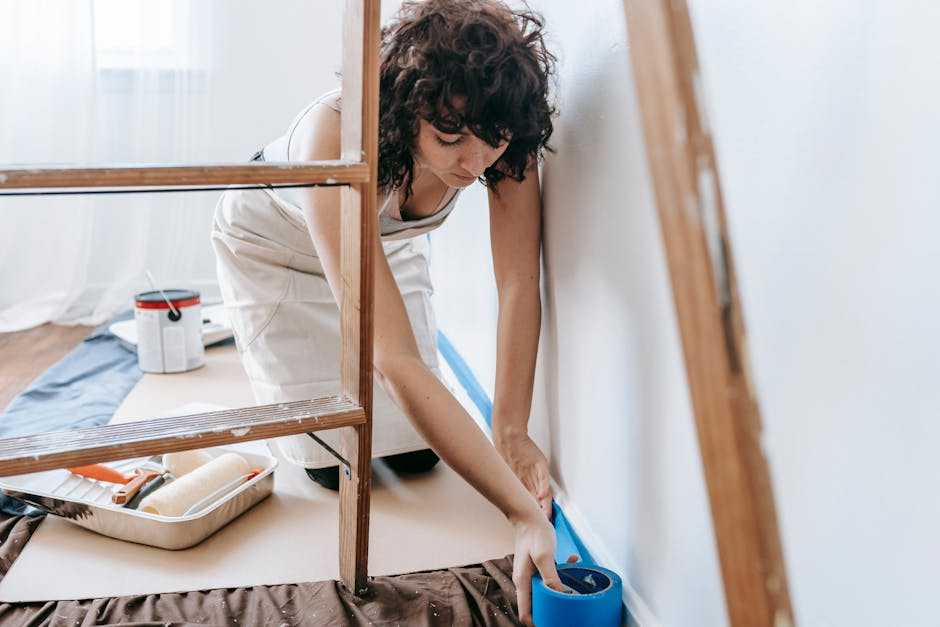
Finally, go light on the walls. Whites, soft grays, pale pastels they all help reflect light and open things up visually. Paint is cheap, easy to change, and seriously effective in making tight rooms feel a few feet larger than they are.
Multipurpose Is the Name of the Game

When floor space is limited, every piece of furniture should work overtime. Multipurpose furniture not only helps you stay organized but also allows small spaces to adapt throughout the day.
Built In Storage Solutions
Look for furniture that hides storage within:
Ottomans that open to store blankets, books, or electronics
Platform beds with drawers or lift up mechanisms for under bed storage
Benches with compartments underneath perfect for entryways or dining nooks
Foldable and Flexible Workspaces
Creating work from home zones or hobby areas is easier with foldable furniture:
Wall mounted desks that fold down when in use and disappear when not
Fold out tables that double as decor or shelving until needed
Great for small offices, guest rooms, or studio apartments
Stackable and Collapsible for the Win
For maximum flexibility, go with furniture that adjusts to your needs:
Stackable chairs that store easily when not in use
Collapsible dining tables or consoles that expand only when guests arrive
Nesting tables for tiered storage or additional surface space on demand
Purposeful furniture allows your small space to stay tidy, yet ready for anything.
Smart Renovations That Pull Double Duty
When space is limited, every renovation should work extra hard both aesthetically and functionally. Designing with intention helps small spaces feel larger, more comfortable, and even more valuable.
Built In Furniture: Seamless & Space Saving
Built in pieces are a remodeling win because they:
Save floor space by eliminating bulky standalone items
Offer hidden or optimized storage (e.g., under seat drawers, headboard compartments)
Double as architectural features that elevate a room’s visual appeal
Opt for custom built ins like:
Wall to wall shelving with integrated desks or seating
Window bench seating with lift up storage
Murphy beds that fold into cabinetry
Energy Efficiency Enhancements
Small homes benefit significantly from energy smart upgrades every draft or inefficient window has a bigger impact in a compact area.
Key updates to consider:
Insulated windows and doors: Reduce heat loss, enhance comfort, and boost quiet
Weatherstripping and sealing: Inexpensive fixes with noticeable returns
Energy efficient appliances: Compact models save space and lower bills
Invest in Long Term Value
Not all upgrades are created equal. Focus your renovation budget on changes that improve your day to day life and future resale potential.
High impact investments include:
Kitchen makeovers with clever storage solutions
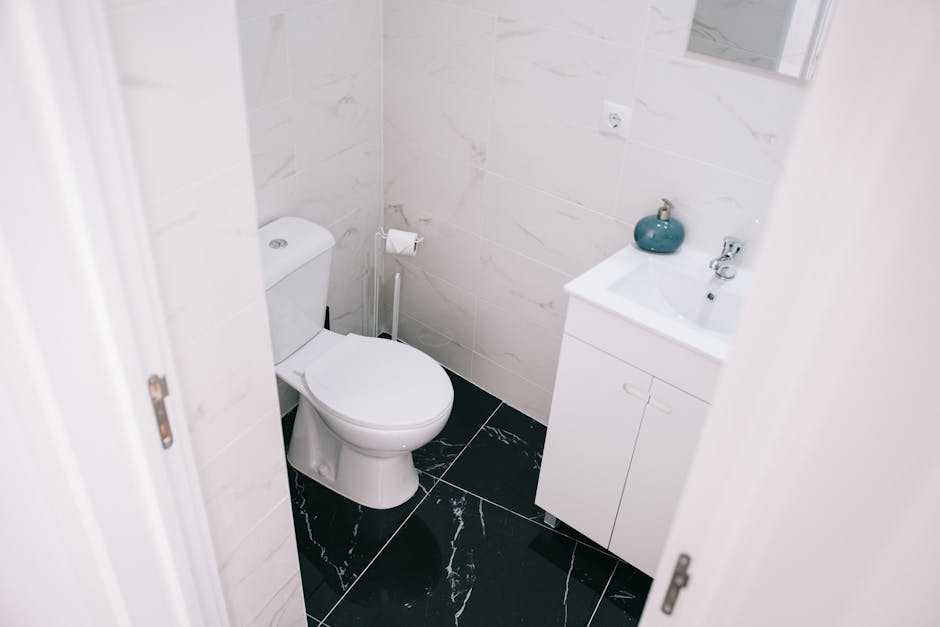
Bathroom renovations that improve layout and lighting
Multipurpose additions like fold out pantries or tech integrated consoles
Discover more high yield updates in this guide to smart renovation ideas that add the most value.
Zones Over Rooms
When walls aren’t an option, strategy is. In small or open plan spaces, defining zones gives structure without adding square footage. Rugs draw invisible lines one under the sofa, another anchoring the dining area. Even a subtle color shift or targeted lighting can shape the vibe of one corner versus another.
Sliding partitions and curtains aren’t just for studios they’re low commitment ways to create flex zones. Want temporary privacy for a home office or a pop up guest room? Close them. Need space back? Slide them away.
The key is thinking layout first. Don’t try to cram everything everywhere. Instead, carve out areas that serve clear purposes one for winding down, one for working, one for gathering. Layer intention over space, and suddenly, your small home feels much bigger.
Minimize to Maximize
When you’re short on square footage, the best renovation might be a clear out. Streamlined interiors not only function better they also look bigger. Creating an open, breathable space begins with paring down to what you actually need.
Start with Decluttering
Before reaching for tools or paint, start with the simplest transformation: eliminating what you don’t use.
Donate, sell, or recycle unused furniture and décor
Clear countertops and surfaces for a clean look
Use bins or baskets to organize essentials out of sight
Build Storage Into the Design
Instead of bringing in bulky pieces, integrate storage directly into the structure of your home.
Choose built in bookshelves and bench seating with hidden compartments
Use under bed drawers or lofted beds to maximize vertical space
Opt for custom cabinetry that fits your room’s dimensions perfectly
Embrace a Minimal Aesthetic
Less truly is more in a small space. Minimal design choices trick the eye into seeing more room while reducing visual clutter.
Stick to a consistent, neutral color scheme
Limit decorative items to a few meaningful pieces
Use materials and textures that reflect light and add openness
Creating room to breathe doesn’t mean sacrificing comfort or personality it means letting your space work smarter, not harder.
Final Tip: Invest Where It Counts
In small spaces, it pays to be strategic. Kitchens and bathrooms remain the top value drivers. A well lit, smartly laid out kitchen or a clean, efficient bathroom can make even the tiniest home feel functional and desirable. Go for compact, high impact upgrades: think deep drawers instead of cabinets, wall mounted faucets, and slim profile appliances that don’t cramp circulation.
Energy efficient improvements are no longer optional they’re expected. Swap in low flow fixtures, LED lighting, and insulated windows that cut energy costs without taking up extra room. These upgrades pull double duty, trimming bills while boosting appeal.
Whatever the project, every square foot should pull its weight. Built ins, clever storage, and flexible design choices make your home work smarter, not harder.
Explore more winning ideas with these high value renovations for small homes.

 Tylisia Rothwyn writes the kind of interior renovation ideas content that people actually send to each other. Not because it's flashy or controversial, but because it's the sort of thing where you read it and immediately think of three people who need to see it. Tylisia has a talent for identifying the questions that a lot of people have but haven't quite figured out how to articulate yet — and then answering them properly.
They covers a lot of ground: Interior Renovation Ideas, Home Design Inspirations, Gardening and Landscaping Tips, and plenty of adjacent territory that doesn't always get treated with the same seriousness. The consistency across all of it is a certain kind of respect for the reader. Tylisia doesn't assume people are stupid, and they doesn't assume they know everything either. They writes for someone who is genuinely trying to figure something out — because that's usually who's actually reading. That assumption shapes everything from how they structures an explanation to how much background they includes before getting to the point.
Beyond the practical stuff, there's something in Tylisia's writing that reflects a real investment in the subject — not performed enthusiasm, but the kind of sustained interest that produces insight over time. They has been paying attention to interior renovation ideas long enough that they notices things a more casual observer would miss. That depth shows up in the work in ways that are hard to fake.
Tylisia Rothwyn writes the kind of interior renovation ideas content that people actually send to each other. Not because it's flashy or controversial, but because it's the sort of thing where you read it and immediately think of three people who need to see it. Tylisia has a talent for identifying the questions that a lot of people have but haven't quite figured out how to articulate yet — and then answering them properly.
They covers a lot of ground: Interior Renovation Ideas, Home Design Inspirations, Gardening and Landscaping Tips, and plenty of adjacent territory that doesn't always get treated with the same seriousness. The consistency across all of it is a certain kind of respect for the reader. Tylisia doesn't assume people are stupid, and they doesn't assume they know everything either. They writes for someone who is genuinely trying to figure something out — because that's usually who's actually reading. That assumption shapes everything from how they structures an explanation to how much background they includes before getting to the point.
Beyond the practical stuff, there's something in Tylisia's writing that reflects a real investment in the subject — not performed enthusiasm, but the kind of sustained interest that produces insight over time. They has been paying attention to interior renovation ideas long enough that they notices things a more casual observer would miss. That depth shows up in the work in ways that are hard to fake.